Planets
Eight worlds, eight very different stories — from the frozen craters of Mercury to the supersonic winds of Neptune. Choose a planet.
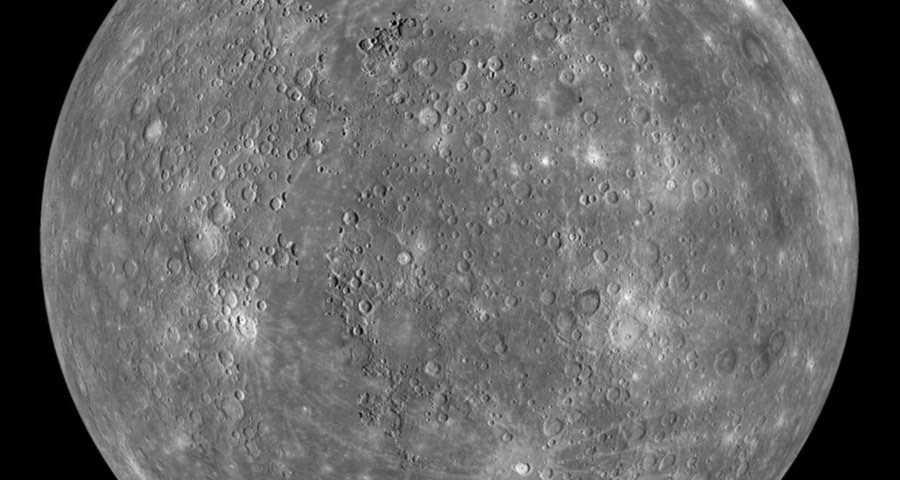
Mercury
The smallest and closest to the Sun, with no atmosphere to soften its temperature swings.
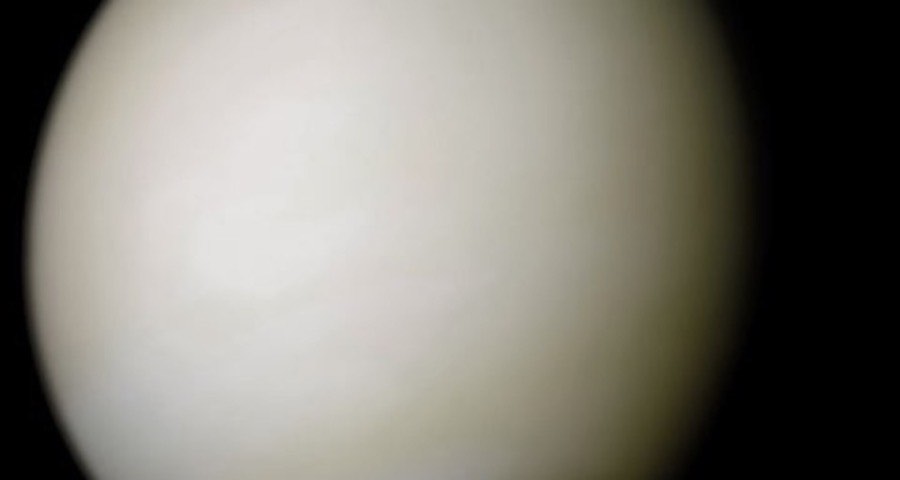
Venus
The hottest planet in the solar system, under an extreme greenhouse effect and a retrograde rotation.
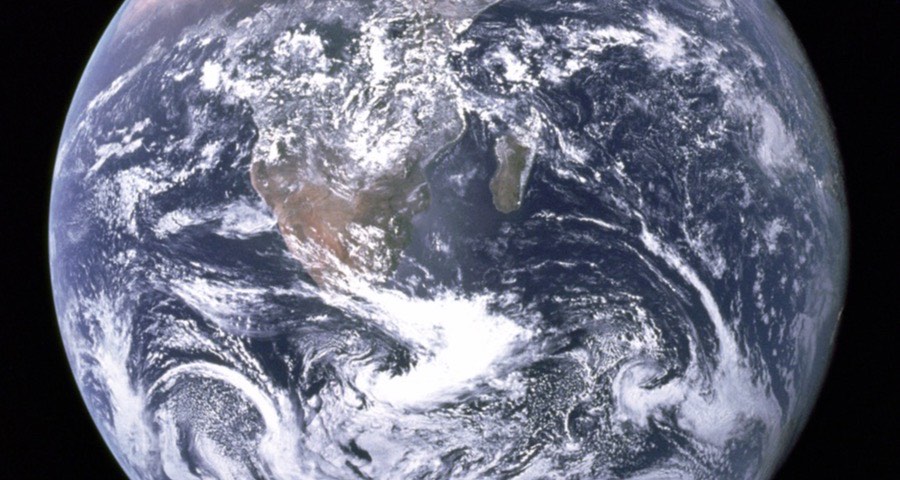
Earth
The only known planet to host life, protected by its magnetic field and stabilized by the Moon.
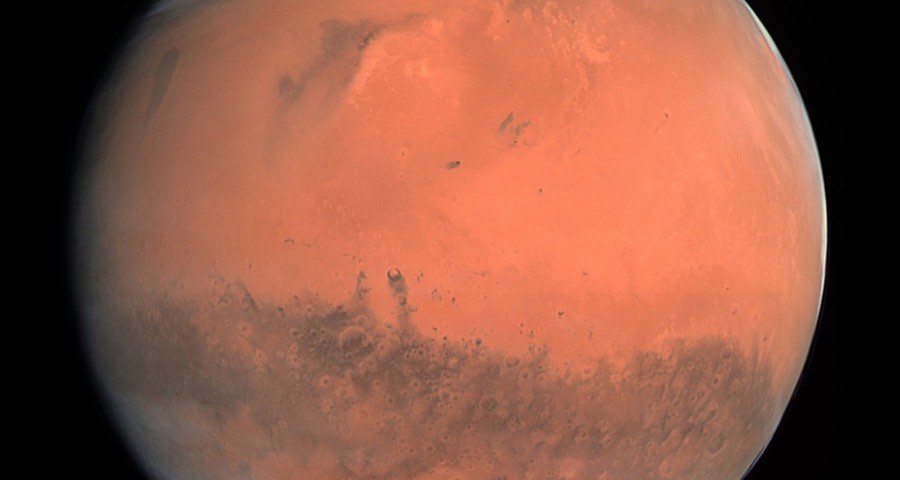
Mars
The red planet, its polar caps, its wet past, and the next destination for humans.
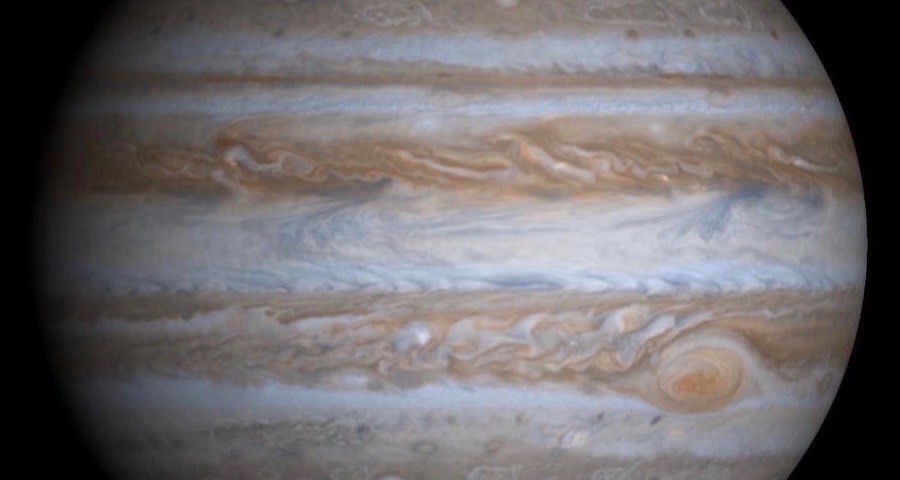
Jupiter
The giant of the solar system, its Great Red Spot, and its retinue of more than 90 moons.
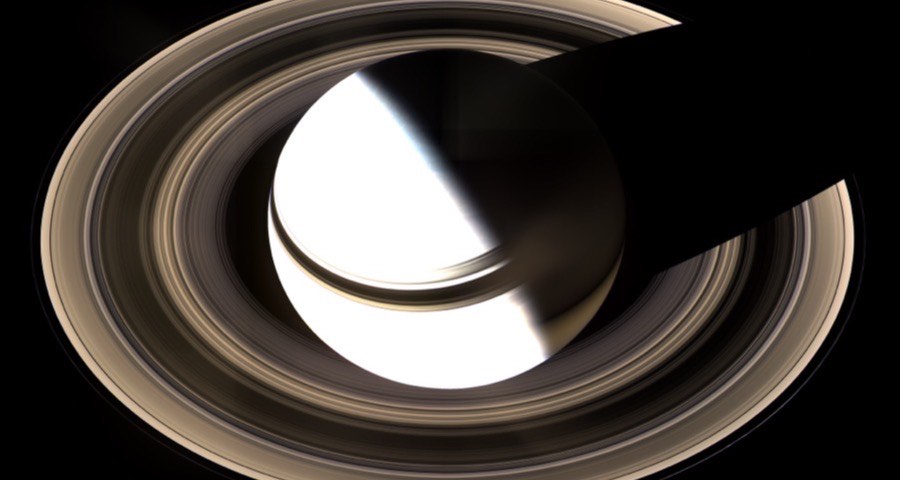
Saturn
The most spectacular rings in the solar system, and Titan, a moon with an atmosphere of its own.
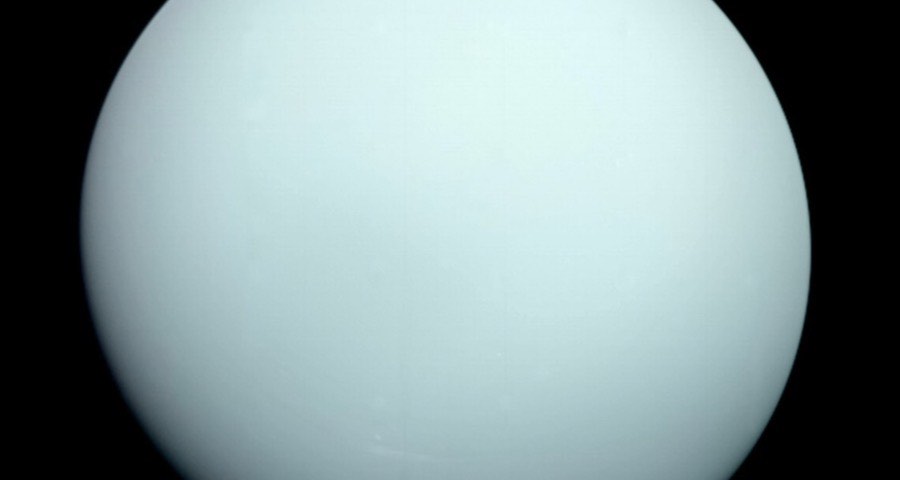
Uranus
The ice giant lying on its side, rotating almost parallel to its own orbit.
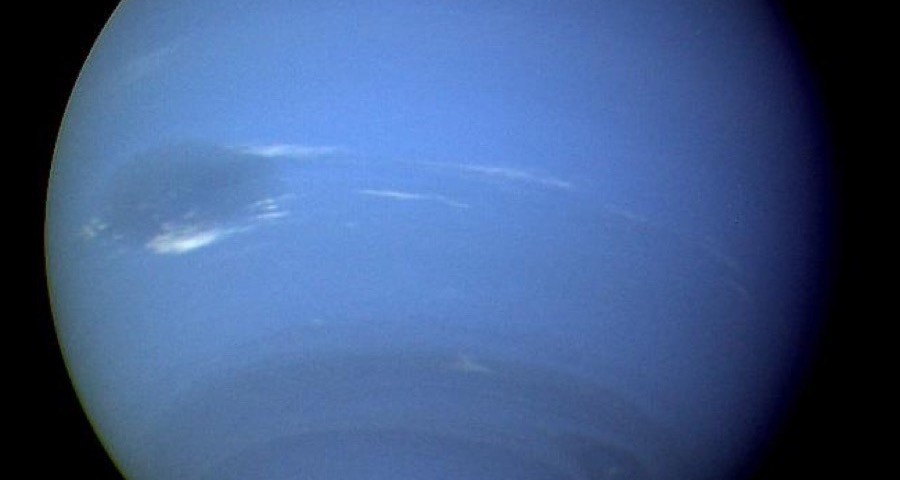
Neptune
The farthest of the planets, swept by the most violent winds ever measured.
Want to observe these planets yourself?
An entry-level telescope is enough to see Saturn's rings, Jupiter's cloud bands, or Mars's polar caps — our guide helps you choose the right instrument.
Which telescope should you choose to get started? →